
七、李爱锐:把一生献给中国的奥运冠军
Eric Liddell: The Olympic Champion Who Dedicated His Life to China
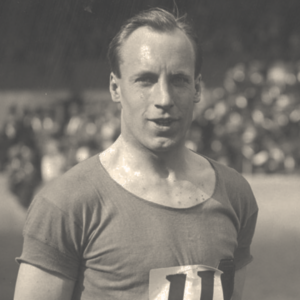
1924年巴黎奥运会,有很多开创性的做法,如首次引入“更快、更高、更强”的奥林匹克格言,首次引入奥运村的概念。对于中国人来说,这届奥运会最大的明星,或许是一位来自苏格兰的奥运冠军,不仅因为他以破世界纪录的成绩夺得男子400米冠军、他的奥运故事改编的电影《烈火战车》斩获四项奥斯卡大奖,更因为他生于中国、执教于中国、逝于中国,把一生献给了中国。他叫埃里克·利迪尔,中文名李爱锐。
The 1924 Paris Olympics were defined by milestones, introducing both the iconic motto "Faster, Higher, Stronger" and the very first Olympic Village. Yet for the Chinese people, the defining star of these Games may be a Scottish champion. His legacy endures not just because he shattered the world record to win the 400-meter gold medal, nor because Chariots of Fire, the film inspired by his journey swept four Academy Awards. Rather, it is because he was born in China, taught in China, perished in China, and gave his entire life to China. His name was Eric Liddell, known affectionately in China as Li Airui.
一、“苏格兰飞人”,风车式的奇迹
The "Flying Scotsman"and His Windmill Miracle
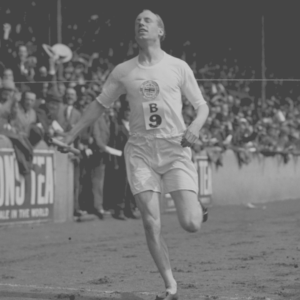
图:1924年7月19日李爱锐在伦敦斯坦福桥体育场参加接力赛
Image: Eric Liddell participated in a relay race at Stamford Bridge Stadium in London on July 19, 1924.
1902年,李爱锐出生于中国天津,其父母均为苏格兰人。5岁时,李爱锐回到苏格兰接受教育,他自小便展现出良好体育天赋,青少年时期成为伊尔撒姆学院的板球队、橄榄球队队长,并当选为年度最佳运动员。1920年,李爱锐进入爱丁堡大学学习,主修科学,他的体育天赋更加凸显,多次在苏格兰甚至全英国的田径比赛中获短跑冠军。
Born in Tianjin, China to Scottish parents in 1902, Eric Liddell returned to Scotland at age five for his schooling. His athletic brilliance was obvious early on. As a teenager at Eltham College, he captained both the cricket and rugby teams and was named Athlete of the Year. In 1920, Eric Liddell enrolled at the University of Edinburgh to study science. There, his sporting prowess truly took off as he dominated the tracks, repeatedly capturing sprint titles across Scotland and the wider UK.
1924年巴黎奥运会前夕,李爱锐被视为100米金牌的最有力争夺者。然而,当赛程公布时,他发现男子100米决赛的时间与他的宗教信仰活动相冲突。面对触手可及的金牌,他作出了一个震撼全英的决定,放弃100米比赛,转而参加自己并不擅长的男子200米和400米。这一决定在当时招致了铺天盖地的非议与责难,留给他的备战时间,仅仅剩下几个月。
On the eve of the 1924 Paris Olympics, Eric Liddell was the heavy favorite for the 100-meter gold. However, when the schedule came out, he realized the final conflicted with his religious beliefs. With a gold medal well within his grasp, he made a choice that stunned the British public. He withdrew from his signature event to run the 200 and 400 meters, distances outside his comfort zone. The backlash was immediate and fierce, leaving him with only a few months to train amidst a storm of public criticism.
但天才之所以是天才,就在于他能把不可能变为可能。在巴黎的赛场上,李爱锐双臂大幅摆动,膝盖高抬,身体后仰,面孔朝天——他带着这种独特的“风车式”跑法,全速冲向终点。他不仅获得了男子200米铜牌,更是以47秒06的成绩获得了男子400米金牌,打破了世界纪录!这枚意外的金牌让英国媒体和民众的态度一夜反转,他成了全英的英雄,被授予橄榄叶桂冠。如果此时他选择成为职业运动员,等待他的将是无尽的名利与前途。然而,23岁的他,再次让世界目瞪口呆。
Yet, true genius thrives on defying the odds. On the track in Paris, Eric Liddell flew toward the finish line with his signature, unorthodox style—arms flailing, knees pumping high, head thrown back toward the sky like a windmill. He didn't just take bronze in the 200 meters; he captured the 400-meter gold in a world-record time of 47.06 seconds. Overnight, public scorn turned into national adoration. Crowned with an olive wreath, Eric Liddell became a British hero. Had he chosen to turn professional, wealth and fame would have been his for the taking. Instead, the 23-year-old was about to stun the world a second time.
二、另一场赛跑,在风雨飘摇的中国
Another Race in a Storm-Tossed China
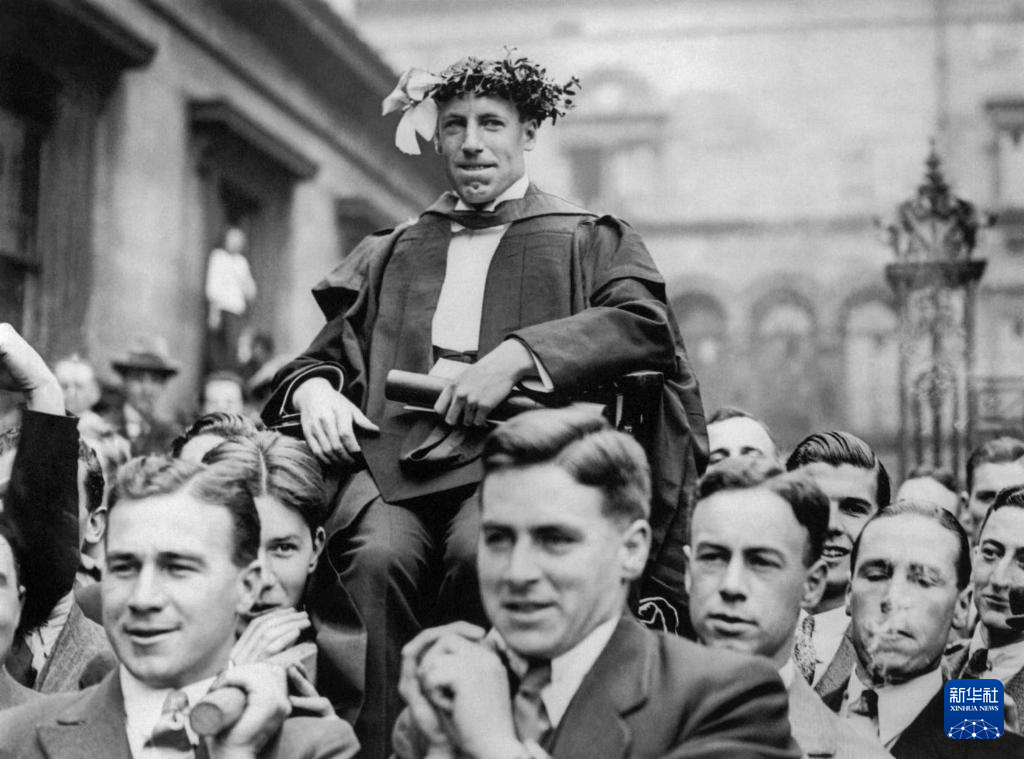
图:1924年7月17日李爱锐参加爱丁堡大学毕业典礼
Image: Eric Liddell attended the University of Edinburgh graduation ceremony on July 17, 1924.
1925年,在运动生涯最巅峰的时刻,李爱锐毅然放弃了在家乡优厚的条件和待遇,放下全球瞩目的奥运冠军光环,决然转换了人生跑道,辗转回到他的出生地中国天津。他来到天津“新学书院”(现天津市第十七中学)担任教师,开启了长达近20年的教学生涯。
In 1925, fresh from graduating with a science degree and standing at the absolute peak of his athletic fame, Eric Liddell walked away from it all. Turning his back on a comfortable life at home and the glittering spotlight of an Olympic champion, he chose a completely different track. He returned to his birthplace of Tianjin, China, to teach at Tientsin Anglo-Chinese College (now Tianjin No. 17 High School), beginning a teaching career that would last nearly two decades.
在中学的讲台上,他教授化学、数学、自然科学,更培养体育人才,传播奥运火种。在他的努力下,学校组建了足球队、篮球队、棒球队、乒乓球队、网球队、排球队等,成为当时天津体育运动最普及、水平最高的中学。他要求学生体学并进,不但学习好,身体也要强健,并将那些体学兼优的高材生推荐送往英国伦敦大学读书。
In the classroom, Eric Liddell taught chemistry, math, and natural sciences, while on the fields, he nurtured young talent and kept the Olympic spirit alive. Through his efforts, the school established teams for football, basketball, baseball, table tennis, tennis, and volleyball, quickly becoming a powerhouse of youth sports in Tianjin. Believing firmly in a balance between mind and body, he pushed his students to excel both academically and physically, even helping top all-rounders secure spots at the University of London.
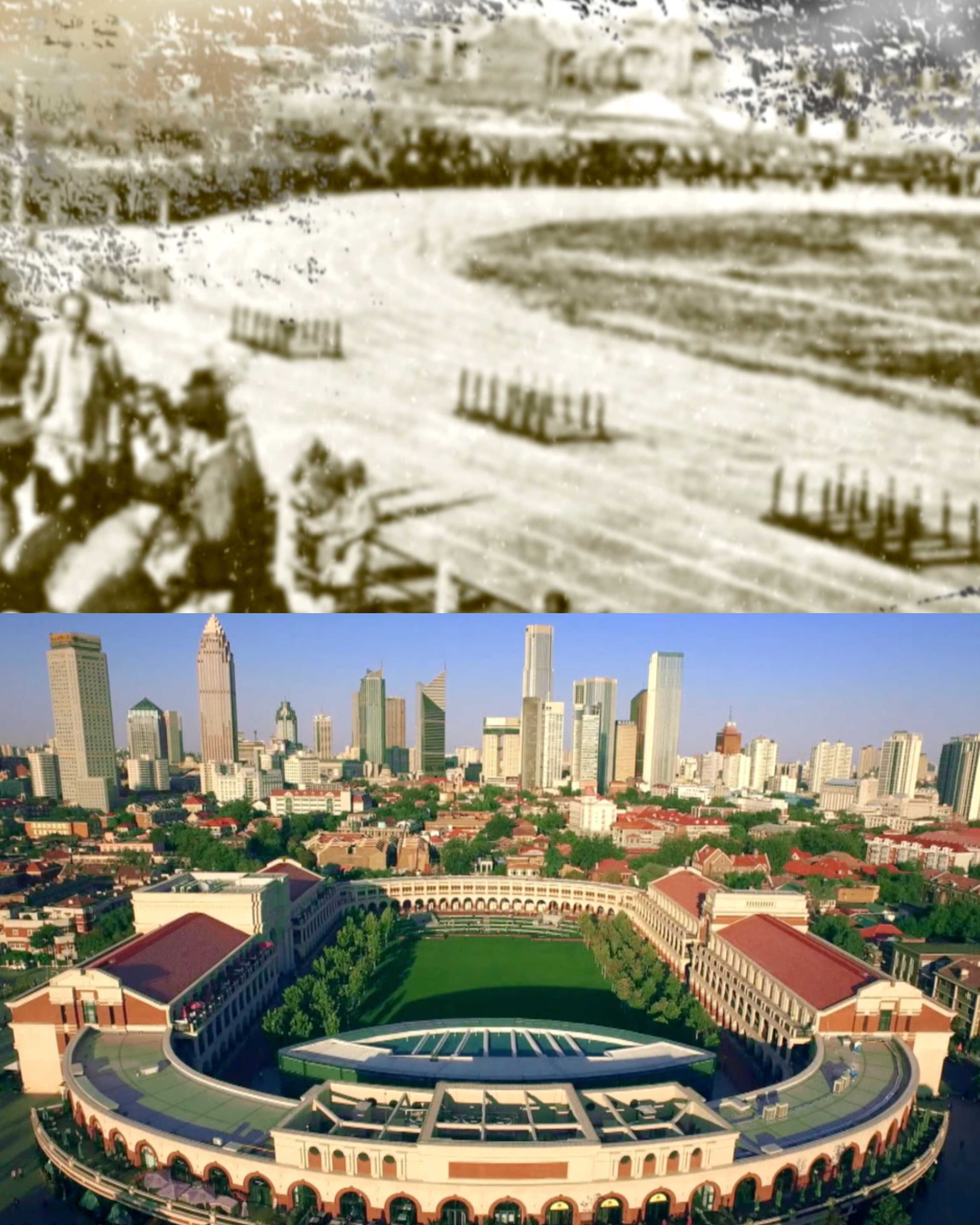
图:天津民园体育场(现民园广场)今昔照
Image: Past and current photos of Tianjin Minyuan Stadium (now Minyuan Square).
在天津,李爱锐还被誉为“民园之父”。当时天津最著名的民园体育场(现民园广场)在1925年翻修改造,李爱锐参照英国斯坦福桥球场(切尔西足球俱乐部主场)的设计图纸,对其跑道结构、灯光设备、看台层次等提出了一系列专业建议。最终,改造后的民园体育场成为当时亚洲最好的体育场之一。
Eric Liddell also came to be known as the "Father of Minyuan Stadium." When Tianjin’s premier sports ground underwent a major overhaul in 1925, Eric Liddell stepped in with expert advice. Drawing inspiration from Stamford Bridge (the home of Chelsea Football Club), he offered crucial technical guidance on the track layout, lighting systems, and grandstand design. Thanks to his vision, the renovated Minyuan Stadium became one of the finest sporting arenas in Asia.
1929年,在民园体育场举行的“万国田径赛”上,27岁的李爱锐在500米决赛中击败了当时的世界纪录保持者、德国名将奥托·费尔萨,夺得了他人生中的最后一块金牌。
It was at this very stadium in 1929, during the International Track and Field Meet, that the 27-year-old Eric Liddell beat the reigning German world-record holder Otto Peltzer in the 500-meter final, clinching the final gold medal of his life.
三、战火中的坚守
Standing Firm in the Face of War
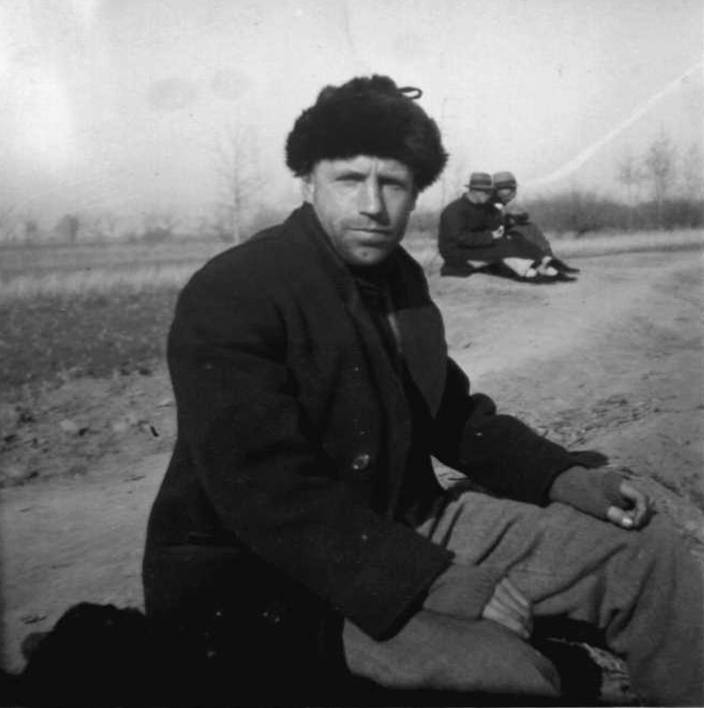
图:李爱锐在中国的资料照片
Image: Eric Liddell's file photo in China.
1934年,李爱锐在天津与加拿大姑娘佛罗伦丝·麦肯齐步入婚姻殿堂,后育有两个可爱的女儿。然而,二战的硝烟打破了平静的生活。1941年,面对步步逼近的日军,亲历了战争残酷的李爱锐做出抉择:他将怀有身孕的妻子和女儿们送上前往加拿大的轮船,自己则选择独自留下,积极参与救治伤兵和接济难民。他未曾想到,这一别竟是永远。不久后,太平洋战争爆发,李爱锐被日军拘捕,关押进潍县(今山东潍坊)集中营。远在异国的妻子顺利生下了第三个女儿,而身陷囹圄的李爱锐,至死都没能见上他最小的孩子一面。
In 1934, Eric Liddell married Florence Mackenzie, a Canadian woman in Tianjin, and the couple was blessed with two daughters. But the looming shadow of World War II soon shattered their peace. In 1941, as Japanese forces advanced, Eric Liddell made a painful choice: he put his pregnant wife and daughters on a ship to Canada while he stayed behind to treat wounded soldiers and aid refugees. He had no idea this goodbye would be final. Following the outbreak of the Pacific War, he was arrested and sent to the Weihsien Internment Camp in Shandong. Though his wife safely gave birth to their third daughter overseas, Eric Liddell would pass away behind barbed wire without ever seeing his youngest child.
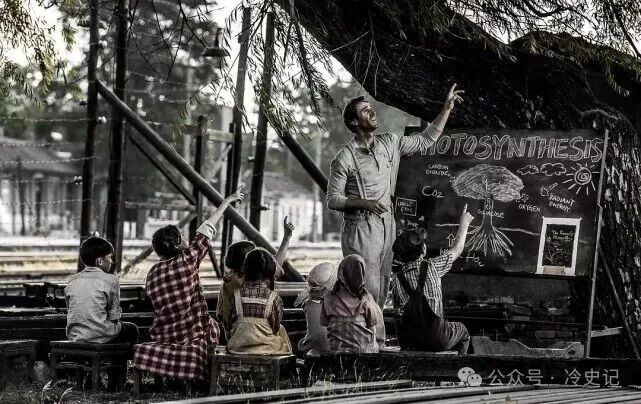
图:电影《终极胜利》剧照,约瑟夫·费因斯扮演的李爱锐在集中营
Image: Still from the 2016 film On Wings of Eagles (also known as The Last Race) show actor Joseph Fiennes portraying Eric Liddell in the Japanese Internment Camp.
即使身处地狱般的集中营,李爱锐也没有丧失希望,成了黑暗牢笼里的一道光。他为年轻人教授科学知识、组织体育活动,传播乐观精神。没有教科书,他就凭记忆手写化学教材,孩子们都亲切地称呼他为“埃里克叔叔”。他将自己的时间和仅有的物资无私地奉献给老幼和病患。
Yet, even in the bleakness of the camp, Eric Liddell remained a beacon of hope. He taught science to the young internees, organized sports, and kept morale high. Lacking any textbooks, he wrote out chemistry lessons entirely from memory. To the children there, he was simply the beloved "Uncle Eric." He devoted his time and limited resources unselfishly to the elderly, the sick, and the needy.
长期的囚禁和严重的营养不良,彻底摧毁了他的身体。1945年2月,距离抗战胜利仅仅剩下半年,李爱锐因脑瘤不幸逝世,年仅43岁。
Years of confinement and severe malnutrition eventually broke his health. In February 1945, just six months before liberation, Eric Liddell died of a brain tumor at the age of 43.
四、展翅高飞的灵魂
A Soaring Soul
直到战后,英国人才得知李爱锐逝世于集中营的消息。《泰晤士报》深情撰文:“苏格兰失去了一个伟大的儿子,他在一生中的每一时刻,都使大家以他为荣。”
It was only after the war ended that Britain learned of Eric Liddell's passing. The Times paid him a moving tribute: "Scotland has lost a son who did her proud every hour of his life."
李爱锐是苏格兰人民的英雄和偶像,也是中国人民的好朋友。在其短暂的一生中,他经历了两次世界大战。在中国历史上最为动荡的时期,他放下奥运光环,选择沿着他父母的足迹,飘洋过海,来到他生身之地天津,与中国的百姓同甘共苦,最后也葬在他深爱的中国土地上。他的激情、正直、同理心,对生活的热情和对社会的爱永远被铭记。2008年8月8日,第29届夏季奥运会在北京开幕之日,《苏格兰人报》把李爱锐评选为苏格兰历史上最受欢迎的运动员。
Eric Liddell was a hero to Scotland and a deeply cherished friend to China. Living through two World Wars during one of China’s most chaotic eras, he chose to step away from Olympic glory. Following his parents' footsteps, he crossed the ocean to his birthplace in Tianjin to stand shoulder-to-shoulder with the Chinese people through their darkest hours. His passion, integrity, profound empathy, and boundless love for humanity will never be forgotten. On August 8, 2008, as the Beijing Olympics opened, The Scotsman named him the most popular athlete in Scottish history.
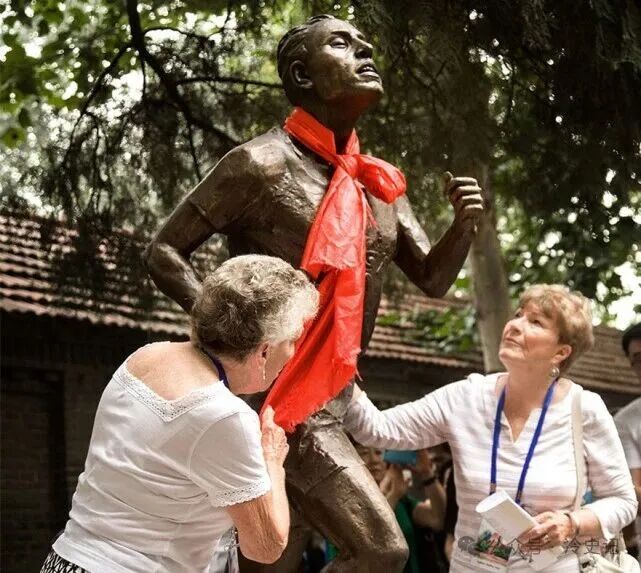
图:李爱锐的两个女儿看望父亲在山东潍坊的雕像
Image: Eric Liddell's two daughters visit their father's statue in Weifang, Shandong.
李爱锐被中国人民誉为“体育界的白求恩”。1988年,李爱锐墓地纪念碑在山东潍坊揭幕。这块由他家乡苏格兰花岗岩制成的石碑上,镌刻着中英文碑文,正面写着:“他们应可振翅高飞,为展翼的雄鹰;他们应可竞跑向前,永远不言疲劳。”
In China, Eric Liddell is revered as the "Norman Bethune of the sports world." In 1988, a monument was unveiled in Weifang, Shandong. Carved from granite shipped from his native Scotland, it bears an inscription in both Chinese and English: "They shall mount up with wings as eagles; they shall run and not be weary."
在集中营的最后日子里,李爱锐曾写下这样一首诗:“每个人从出生到死亡,虽然都像是站在同一条跑道上,但每个人所做的事又是不同的,因此,生命的意义也便有所不同。”世界上像李爱锐这样,将金牌视作尘土、把大爱洒满人间的人寥寥无几。致敬李爱锐,致敬这个长着苏格兰面孔、揣着一颗对中苏热爱之心的伟大灵魂!
During his final days in captivity, Eric Liddell wrote a poem reflecting on existence: "Everyone from birth to death seems to stand on the same track, but what each person does is different, and therefore, the meaning of life is different." The world has few who looked so completely beyond the glory of gold to fill the world with such profound love. We salute Eric Liddell, a great soul with a Scottish face, and a big heart that belonged both to China and Scotland.


