四、约翰·汤姆森:一位拍摄十九世纪中国的苏格兰摄影师
Seeing China: John Thomson’s Journey Through Light and History
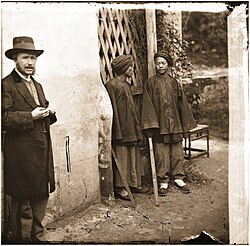
图:伦敦惠康基金会——1871年汤姆森与两名满清士兵在中国厦门。
Image: Wellcome Collection, London - John Thomson with two Qing Dynasty Soldiers in Xiamen, China in 1871.
19世纪,是一个被蒸汽、航海与影像重新定义的时代。铁路延伸了国家的边界,轮船缩短了海洋的距离,摄影第一次让人类能够真实地看见遥远的世界。来自苏格兰的著名摄影师约翰·汤姆森,正是当时摄影纪实的先驱。他因在19世纪60-70年代对亚洲,尤其是中国的影像记录而享誉世界。
The nineteenth century was transformed by steam power, global travel, and the rise of photography. Railways expanded national frontiers, steamships brought distant continents closer together, and photography allowed people, for the first time, to vividly experience places far beyond their own world. Among the pioneers of documentary photography was the renowned Scottish photographer John Thomson, who gained international recognition for his remarkable photographic record of Asia, especially China, during the 1860s and 1870s.
一、爱丁堡少年
Edinburgh Beginnings
1837年,汤姆森出生于苏格兰爱丁堡一个工人家庭,从小便对科学和摄影感兴趣。工业革命时期的苏格兰,既保留启蒙运动的理性传统,也有着现代科学技术的浓厚氛围。
Born in Edinburgh in 1837 to a working-class family, John Thomson grew up in a Scotland shaped by both the intellectual legacy of the Enlightenment and the rapid advances in science and technology brought about by the Industrial Revolution. From an early age, Thomson developed a strong interest in science and photography.
汤姆森在赫瑞-瓦特大学(当时的瓦特艺术学院)学习了自然哲学、数学与化学,这些知识深刻影响了他的摄影实践。之后,他成为苏格兰皇家艺术学会的成员。
John Thomson studied natural philosophy, mathematics, and chemistry at Heriot-Watt University, then known as the Watt Institution. These subjects had a lasting influence on his approach to photography. He later became a member of the Royal Scottish Society of Arts.
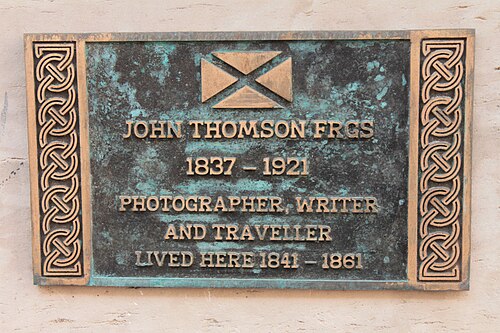
图:位于爱丁堡布莱顿街6号的汤姆森出生地青铜纪念牌匾。
Image: The bronze plaque commemorating John Thomson's birthplace at 6 Brighton Street, Edinburgh.
二、向东方
Journey to the East
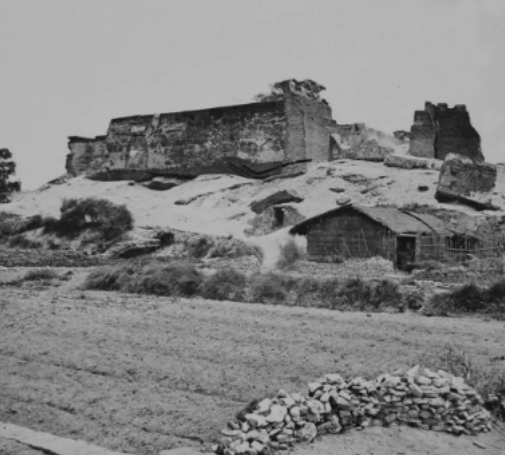
图:1871年的中国台湾热兰遮城(安平古堡)。
Image: Fort Zeelandia (Anping Fort) in Taiwan, China in 1871.
1862年,25岁的汤姆森离开英国,前往东方。与许多同时代旅行者不同,汤姆森并不满足于“观看异域”,而是去观察并记录真实的人与社会。这在当时是一项极其艰难的工作。木质摄影设备相当笨重,玻璃底片必须现场冲洗,化学药剂在高温下迅速失效,一次拍摄往往需要数十分钟准备。摄影成了一场身体与意志的冒险。
In 1862, at the age of twenty-five, John Thomson left the U.K. and travelled east. Unlike many travellers of his era, he was not content to simply observe “exotic” places; he sought to document real people and societies through photography. At the time, this was an extraordinarily demanding task. Photographic equipment was heavy and made of wood, glass plates had to be prepared and developed on site, and chemicals often deteriorated in heat. Each image required several minutes of careful preparation, making photography as much a test of endurance and perseverance as of skill.
1867年,汤姆森在香港建立摄影工作室。1868年至1872年间,他沿珠江与长江深入中国腹地,跨越数千英里拍摄了广州浆栏街拥挤的药铺,长江三峡云雾中的险峻山川,茶馆、码头、寺庙与集市,普通百姓真实的面孔。
In 1867, Thomson established a photographic studio in Hong Kong. From 1868 to 1872, he travelled extensively through China, following the Pearl River and the Yangzi River and covering thousands of miles. His work documented a wide range of scenes: the bustling medicine shops of Guangzhou’s Physics Street, the mist-shrouded landscapes of the Three Gorges, as well as teahouses, docks, temples, marketplaces, and the everyday lives of ordinary people.
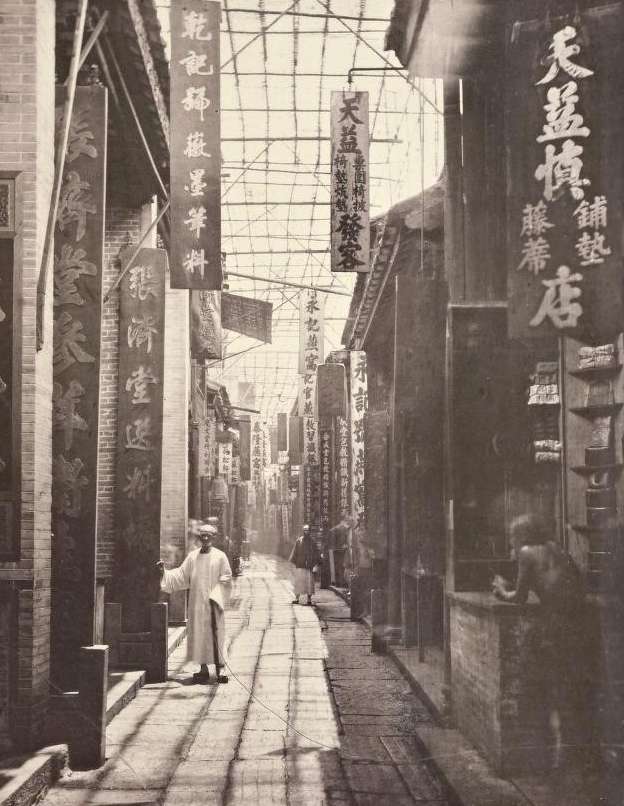
图:《中国与中国人影像》第一卷——广州浆栏街(约1868年,广州)。
Image:'Illustrations of China and Its People', Volume 1 - Physics Street, Guangzhou in c.1868.
这些影像后来汇编为四卷本著作《中国与中国人影像》,这是西方世界第一次如此系统、广泛地“看见”中国。摄影从少数人的实验,逐渐成为大众理解遥远世界的新语言。
These images were later published in the four-volume work 'Illustrations of China and Its People'. For many in the West, it offered the first systematic and wide-ranging visual portrayal of China. Photography was no longer just an experimental craft for a few specialists; it was emerging as a new visual language through which distant cultures and societies could be understood.
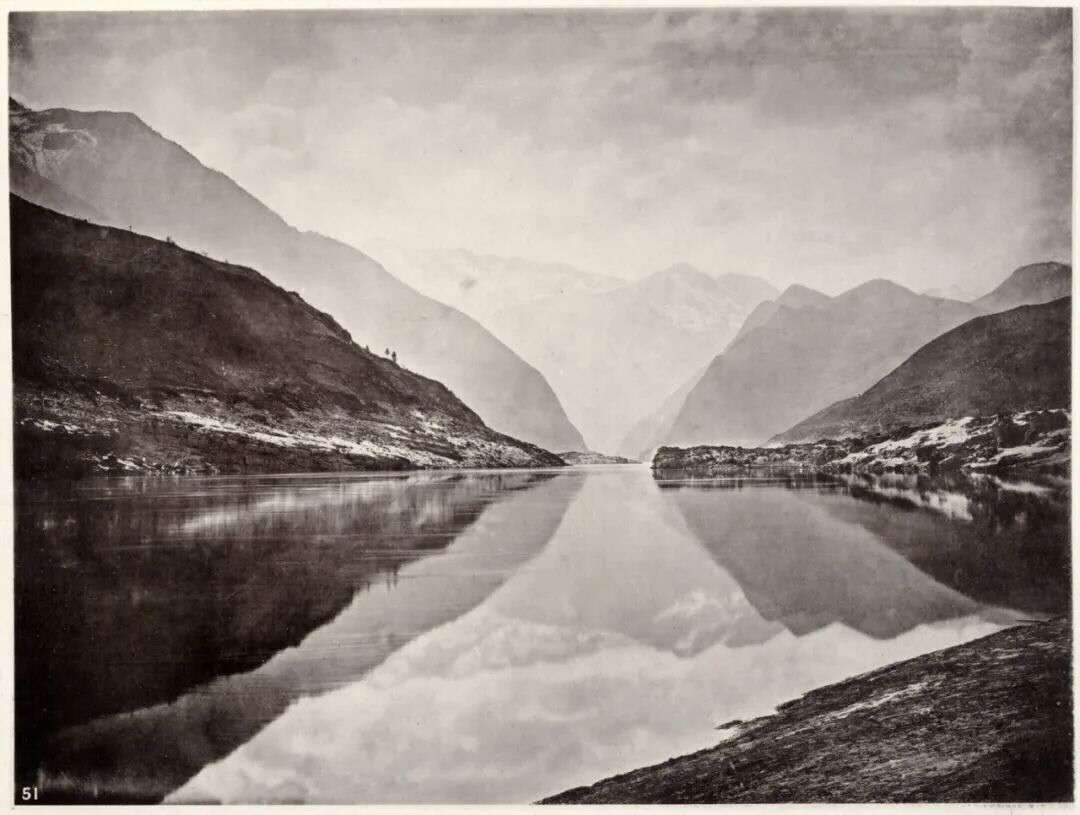
图:《中国与中国人影像》第三卷——长江上游巫山巫峡。
Image: 'Illustrations of China and Its People', Volume 3 - The Wushan Gorge, Upper Yangtze River.
三、镜头中的中国人
The People in Thomson’s Lens
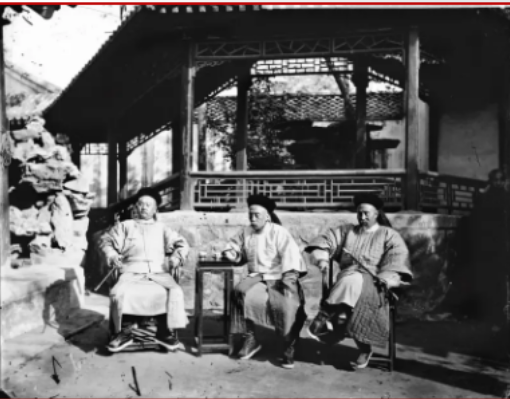
图:伦敦惠康博物馆——清朝三位满族外交大臣(1871-1872年,北京)。
Image: Wellcome Collection, London - Three Qing Dynasty Ministers at the Office for Foreign Affairs in Beijing in 1871-72.
汤姆森最珍贵的地方,在于他如何拍摄中国人。19世纪许多西方人习惯把东方社会视作遥远、神秘甚至奇异的存在。但汤姆森并不完全如此。在他的镜头里,人不是被猎奇的对象,而是真实生活着的人。
What makes John Thomson’s work especially remarkable is the way he portrayed Chinese people. In the nineteenth century, many Western observers tended to view Eastern societies as distant, mysterious, or exotic. Thomson, however, took a very different approach. In his photographs, people are not treated as objects of curiosity, but as individuals living real and complex lives.
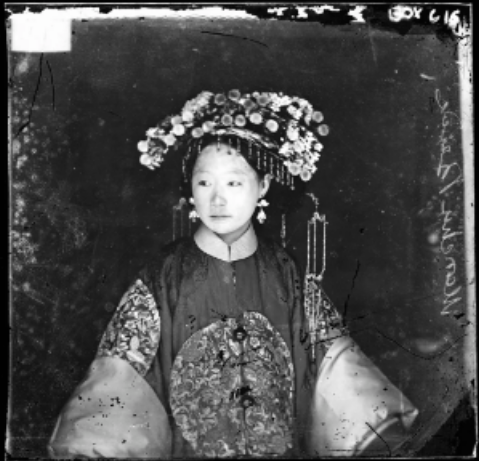
图:穿着满族服饰的中国新娘。
Image: A Chinese bride dressed in Manchu attire.
一位坐在街边的剃头匠,一名神情疲惫的船夫,几位神色复杂的清廷官员,一个略带紧张却仍直视镜头的孩子……这些人物并未被简化成“东方符号”。他们有表情,有情绪,有尊严,也有沉默。
A barber sitting by the roadside, an exhausted boatman, Qing Dynasty officials with thoughtful expressions, a child who looks into the camera with a mix of nervousness and honesty......these figures are never reduced to simple “Eastern symbols.” Instead, they appear with expression, emotion, dignity, and a quiet sense of presence.
汤姆森作品的成功不仅得益于精湛的拍摄技术,也在于赢得了从高级官员到普通百姓等不同拍摄对象的信任。正因如此,他的摄影在今天仍具有打动人心的力量。他不仅拍摄了一个时代,也保留下普通人真实存在的姿态。
The strength of Thomson’s work lay not only in his technical mastery, but also in the trust he was able to build with his subjects, from high-ranking officials to ordinary people. Because of this, his photographs remain deeply moving today. They do more than document a historical period; they preserve the authentic presence of ordinary lives within it.
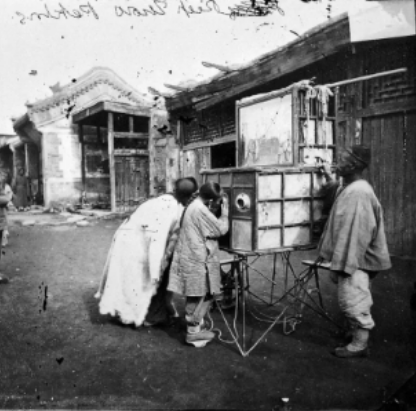
图:拉洋片艺人,使用四周装有镜头的木箱(1871-1872年,北京)。
Image: A shadow puppeteer using a wooden box with lenses mounted on all four sides in Beijing in 1871-72.
四、影像中的文明相遇
A Meeting of Civilizations Through Images
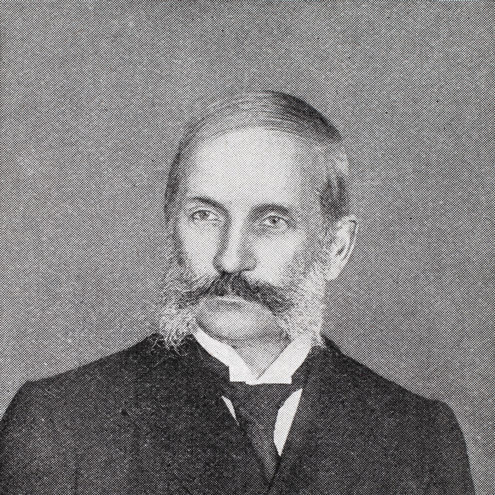
图:布里斯托大学图书馆特藏部——汤姆森画像。
Image: Special Collections Department, University of Bristol Library - Portrait of John Thomson.
1872年返回英国后,汤姆森继续拍摄伦敦街头与上流社会肖像,并最终成为维多利亚女王的御用摄影师,于1917年被授予终身院士的荣誉。
After returning to the U.K. in 1872, John Thomson continued to photograph both the street life of London and members of high society. He eventually became a photographer to Queen Victoria and was later awarded a Life Fellowship in 1917.
汤姆森的作品为我们提供了19世纪中国社会珍贵的视觉档案,不仅成为中国同苏格兰跨文化交流的重要媒介,也是生动、真实的历史记忆。
Thomson’s work offers an invaluable visual archive of nineteenth-century Chinese society. His photographs not only served as an important bridge for cultural exchange between China and Scotland, but also remain vivid and deeply authentic visual records through which modern audiences can revisit and understand the history.


