二、王韬:一位江南书生的英伦奇遇
Wang Tao: A Scholar’s Journey to Scotland and the World
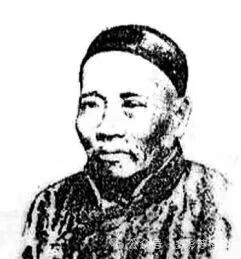
近代中国“睁眼看世界”的先行者中,来自苏州的王韬(1828-1897)是杰出代表之一。他是中国第一批自办报刊的报纸人,更是中国第一位报刊政论家。他的故事,是一场江南与苏格兰的跨时空奇遇,一曲横渡山海、双向奔赴的文化交响。
Among those Chinese figures who truly “opened their eyes to the world” from the mid-19th century onwards, Wang Tao would surely stand as one of the pioneers.
Born in Suzhou, a city in southeast China, this scholar went on to found one of China’s first independently run newspapers and became one of its earliest political commentators. His life was a story of cultural exchange between China and Scotland.
命运的转折:从流亡者到翻译家
A Turn of Fate: From Exile to Translator
1828年,王韬生于苏州府长洲县甫里村(今属苏州市吴中区甪直镇)。他天资聪颖,十七岁便考中秀才。十九岁那年,他去上海最早的编译出版机构墨海书馆探望在此工作的父亲,第一次见到了西式印刷厂房与活字印刷机,大为惊奇,后进入墨海书馆担任编校工作。
In 1828, Wang Tao was born in Fuli Village, Changzhou County of Suzhou Prefecture (today part of Luzhi Town in Suzhou’s Wuzhong District). Exceptionally gifted, he became a Xiucai after passing the county-level imperial exam at just seventeen. At nineteen, he traveled to Shanghai to visit his father, who worked at the London Missionary Press—one of China’s earliest translation and publishing houses.
There, he encountered a Western-style printing workshop and movable-type presses for the first time, an experience that left a deep impression on him. Then, he joined the London Missionary Press as an editor and proofreader.
1862年,太平军进军上海。清政府认为王韬化名黄畹为太平军献策,对他发出通缉。在朋友帮助下,王韬仓皇逃往香港。
In 1862, as the Taiping Army advanced on Shanghai, the Qing Dynasty authorities issued a warrant for Wang Tao, suspecting that he had been advising the Taiping Army under the alias Huang Wan. With the help of friends, Wang Tao managed to flee in haste to Hong Kong.
这场逃难反而成全了他。在香港,他受苏格兰汉学家、英华书院院长理雅各之邀,协助翻译《十三经》,同时担任《华文日报》主笔,这成为他中文新闻事业的开端。一个落难书生,就这样意外地走进了中西文化交流的前沿。
Yet this forced exile became a turning point for Wang Tao. In Hong Kong, he was invited by the Scottish sinologist James Legge, head of the Anglo-Chinese College, to assist in translating the Thirteen Classics. At the same time, he began writing for a Chinese-language daily newspaper, marking the start of his career in Chinese journalism. In this unexpected way, a displaced scholar found himself at the forefront of cultural exchange between China and the West.
万里赴英:一个中国知识分子的“壮游”
A Chinese Intellectual’s “Grand Tour”
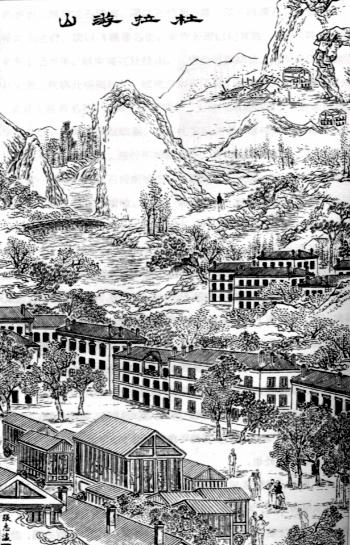
图:王韬所著《漫游随录图记》中的多勒镇插图
Image: the town of Dollar, as illustrated in Wang Tao's ' Jottings from Carefree Travels.'
1867年,39岁的王韬应理雅各之邀远赴英国。在理雅各家乡——苏格兰东部小镇多勒(Dollar)的书房里,他一边协助理雅各把《诗经》《易经》《礼记》等儒家经典译成英文,一边用西方天文学方法验证《春秋》中的日食记录,写成《春秋日食辨正》《春秋朔闰至日考》。他并在牛津大学就“孔子学说”发表演讲,成为史上第一位在牛津演讲的中国人。
In 1867, at thirty-nine years old, Wang Tao traveled to the U.K. at the invitation of James Legge. In Legge’s study in Dollar, he assisted in translating Confucian classics such as the Book of Songs, Book of Changes, and Book of Rites into English. At the same time, he applied Western astronomical methods to examine solar eclipse records in the Spring and Autumn Annals, producing works including A Critical Examination of Solar Eclipses in the Spring and Autumn Annals and Studies on the New Moon, Intercalation, and Solstices in the Spring and Autumn Annals. Wang Tao also delivered a speech on Confucianism at the University of Oxford, becoming the first Chinese to give a lecture there in history.
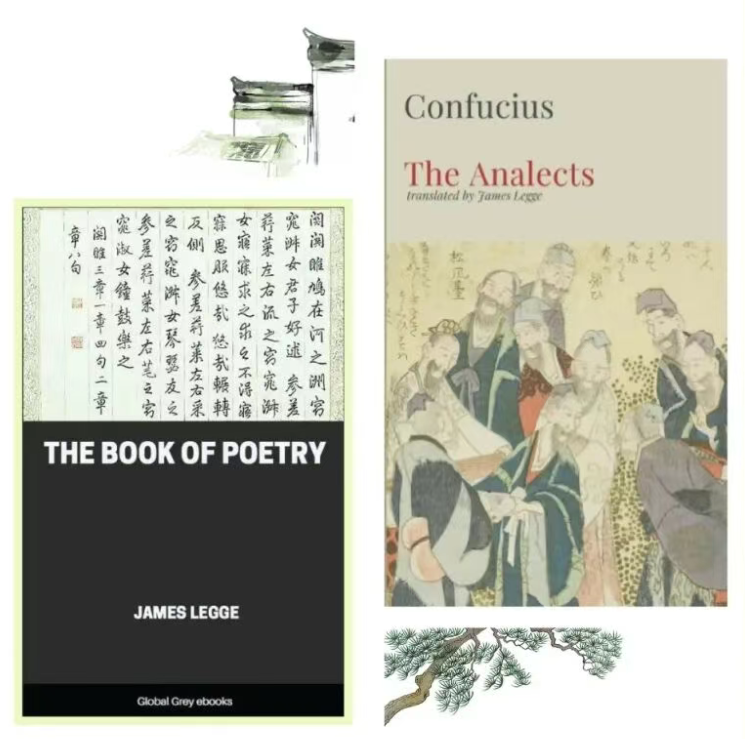
图:王韬协助理雅各翻译《论语》《诗经》等书籍。
Image: Wang Tao assisted James Legge in translating major Chinese classics,
including the Analects and the Book of Songs.
王韬还游历了爱丁堡、格拉斯哥、阿伯丁、邓迪等地,系统观察西方社会,通过自己的兴趣与判断,在《漫游随录图记》中记录下真实的所见所思。这段经历使他的思想发生深刻蜕变,为其日后倡导变法维新奠定了坚实基础。
Wang Tao also traveled to Edinburgh, Glasgow, Aberdeen, Dundee and beyond, observing local society and recording his authentic observations and reflections in Jottings from Carefree Travels. This experience profoundly reshaped his thinking, laying a solid foundation for his later advocacy of reform and modernization in China.
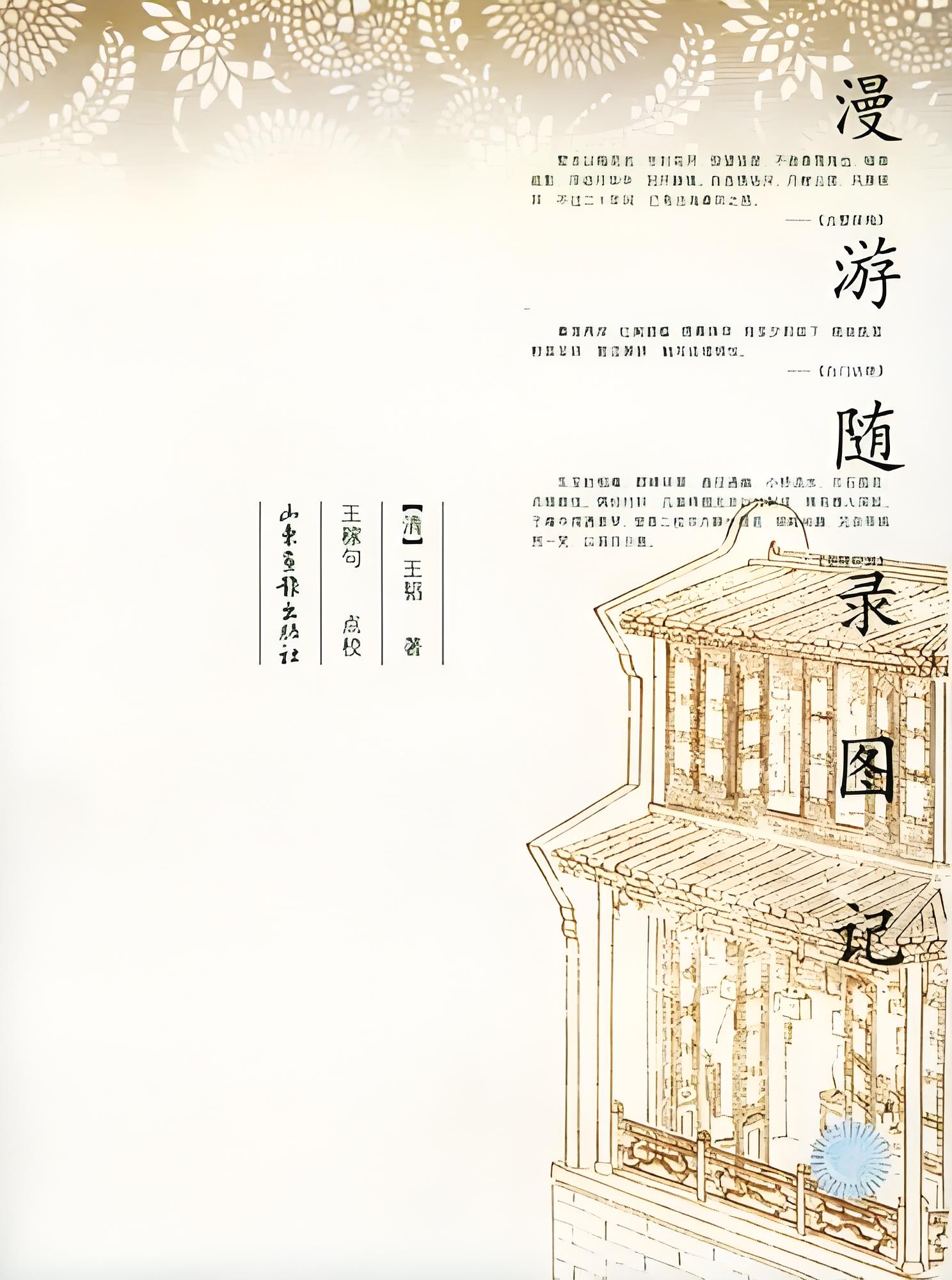
图:王韬所著《漫游随录图记》
Image: Wang Tao's ' Jottings from Carefree Travels.'
创办《循环日报》:文人论政的开端
Founding Xunhuan Ribao: Where Literati Political Commentary Began
1870年,王韬返回上海,出版了我国第一部专门记述海外战争的专著《普法战纪》。
In 1870, Wang Tao returned to Shanghai and published Pu-Fa Zhan Ji (Records of the Franco-Prussian War), the first book in China that focused solely on a foreign war.
1874年,他创办了《循环日报》,这是中国第一份由中国人自己主编并取得成功的报纸,在中国新闻出版史上具有划时代的意义。王韬自任主笔十年,发表八百余篇政论,宣扬变法自强,主张兴办铁路、造船、纺织等工业。
In 1874, he started Xunhuan Ribao (the Universal Circulating Herald), the first and successful Chinese-run newspaper in China. Wang served as its lead writer for ten years, publishing over 800 political pieces that pushed for reform, national strength, and then new industries like railways, shipbuilding, and textiles.
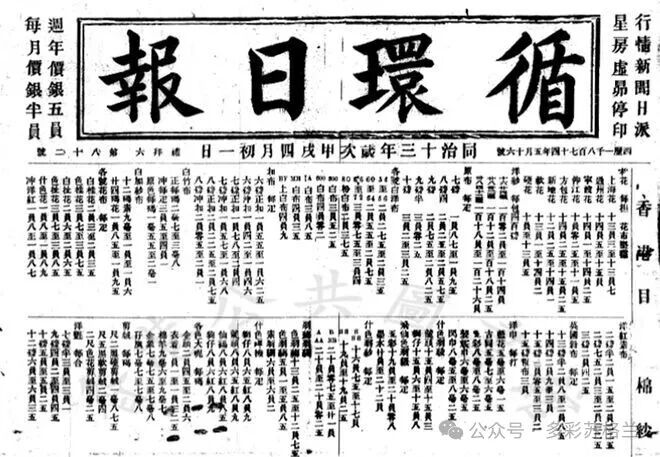
图:同治十三年《循环日报》
Image: the 1874 issue of the Universal Circulating Herald
王韬开创了晚清民国“文人办报、文人论政”的传统,深刻影响了后来的梁启超、陈独秀、邹韬奋等人。王韬也因此被尊为“中国近代报纸之父”。
Wang Tao initiated the late Qing era tradition of "literati running newspapers and engaging in political commentary." That legacy later shaped famous Chinese figures like Liang Qichao, Chen Duxiu, and Zou Taofen. That's why Wang Tao is often hailed as " the father of modern Chinese newspapers."
跨越时空的回响
Echoes Across Time
王韬的英伦之行虽只有短短数年,却在中国近代思想史上激起了深远的回响。他与理雅各的合作,堪称中国同英国(苏格兰)文化交往中一段相互成就的佳话。
Though Wang Tao stayed in Scotland for just a few years, his time there resonated deeply through modern China's intellectual history. Together with James Legge, he wrote a story of mutual enrichment, a beautiful page in the cultural dialogue between China and Scotland.
今天,我们重读王韬,或许最值得记取的不是那一长串头衔,而是一位江南书生,他曾跨洋拥抱世界,又循着初心归来报国。
Today, when we look back on Wang Tao’s legacy, perhaps the most meaningful thing to remember is not his long list of titles, but the image of a scholar from the southeast region of China—someone who once crossed oceans to embrace the world, and returned home to serve his motherland.


