China is about to hold commemorative events marking the 80th anniversary of the victory of the Chinese People’s War of Resistance Against Japanese Aggression and the World Anti-Fascist War. On September 18, 1931, China fired the first shot in the global war against fascism. From then until Japan’s unconditional surrender in 1945, China waged fourteen years of unyielding resistance. With the heroic sacrifice of tens of millions of soldiers and civilians, China upheld the main battlefield of the East during World War II, writing a magnificent epic of fighting for the future of humanity.
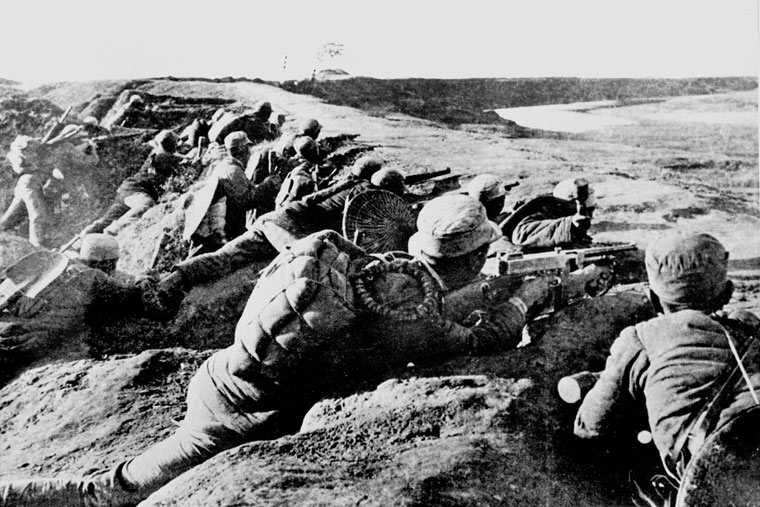
Chinese troops heroically defend against Japanese aggression
The Chinese people will never forget that during the Chinese People’s War of Resistance Against Japanese Aggression and the World Anti-Fascist War— a struggle that determined the future and destiny of humanity— a great number of Scots made contributions and sacrifices for the victory of this war. They were Scottish warriors, but also heroes of the world. Among them were the great internationalist fighter Dr. Norman Bethune, heir to a Scottish family of doctors, whom Chairman Mao Zedong praised as “a man of noble character, a man of pure spirit, a man of moral integrity, a man free from vulgar interests, a man who was of benefit to the people,” and who is still deeply remembered by hundreds of millions of Chinese people; Eric Liddell, the Scottish Olympic champion who traveled to China to support the Eighth Route Army’s resistance against Japanese Aggression and who passed away in a Japanese prisoner-of-war camp; the valiant Scottish soldiers who fought side by side with the Chinese Expeditionary Force on the Burmese battlefield; and countless unnamed Scottish heroes who suffered inhumane atrocities in Japanese POW camps in the Far East…
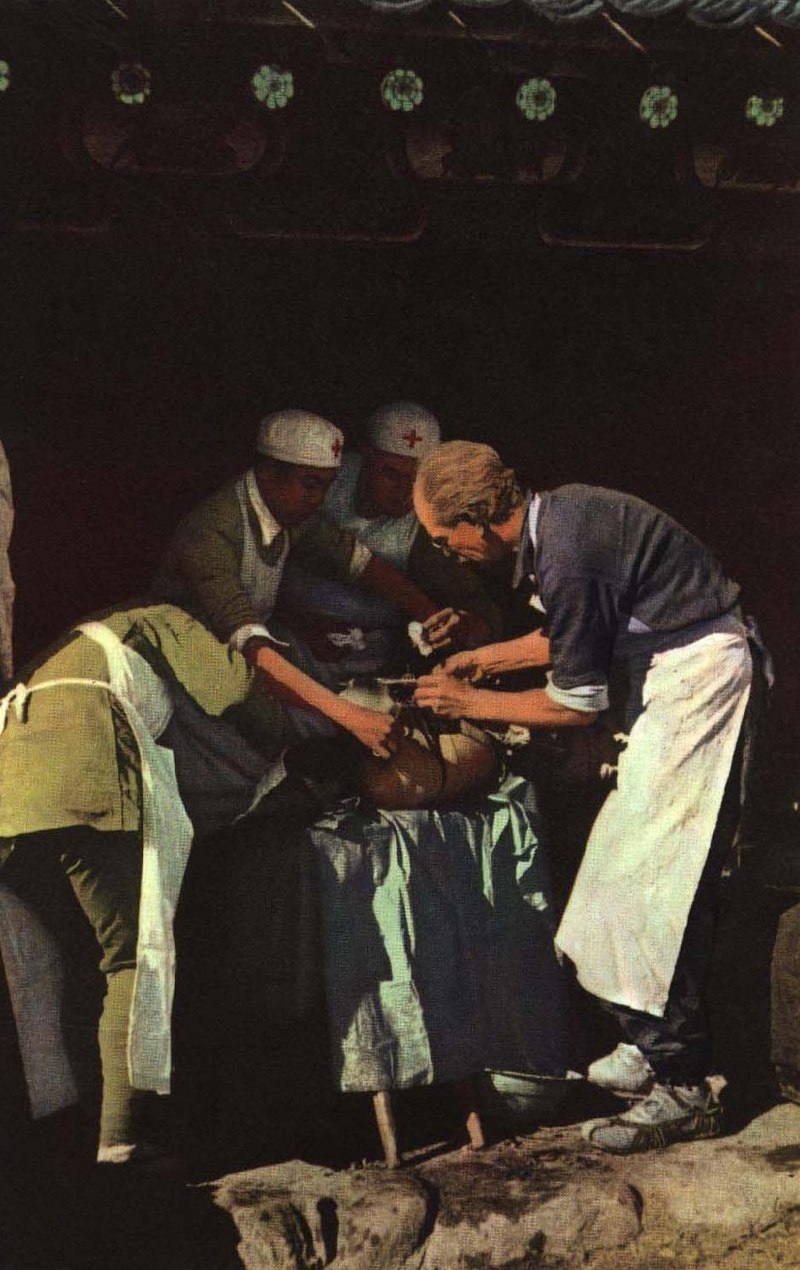
Dr. Norman Bethune operating on wounded soldiers
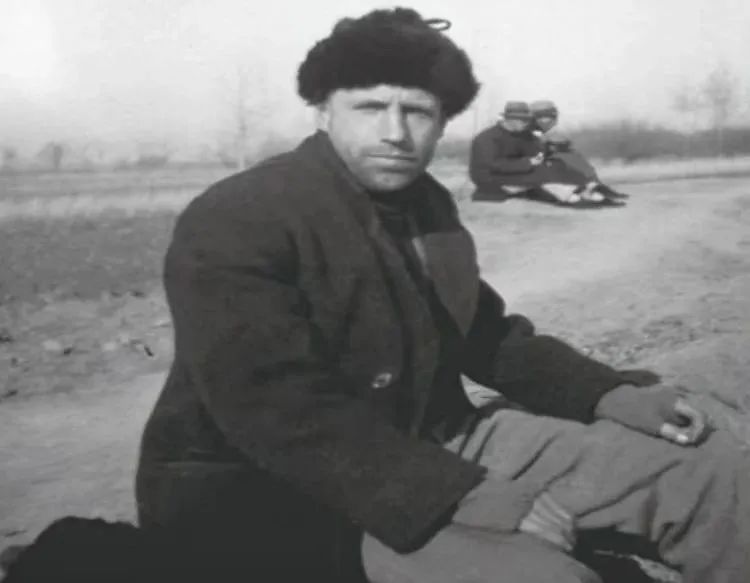
Eric Liddell resting during the transfer of relief supplies for the Chinese Army
The British survivors from the Japanese Far East prisoner-of-war camps were all required not to talk about their ordeals in captivity. As a result, the world knows little of their stories. Even after their passing away, their families continue to search for traces of their experiences in the camps—an awakening agony that we should be aware of, a conviction that justice will ultimately triumph over evil, and a historical truth that must never be concealed…
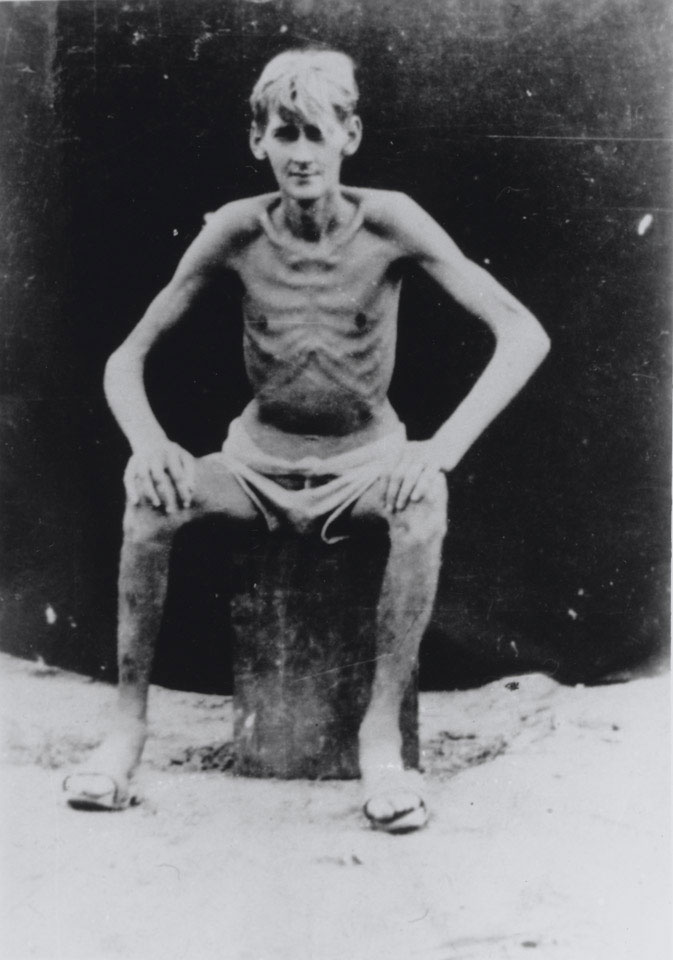
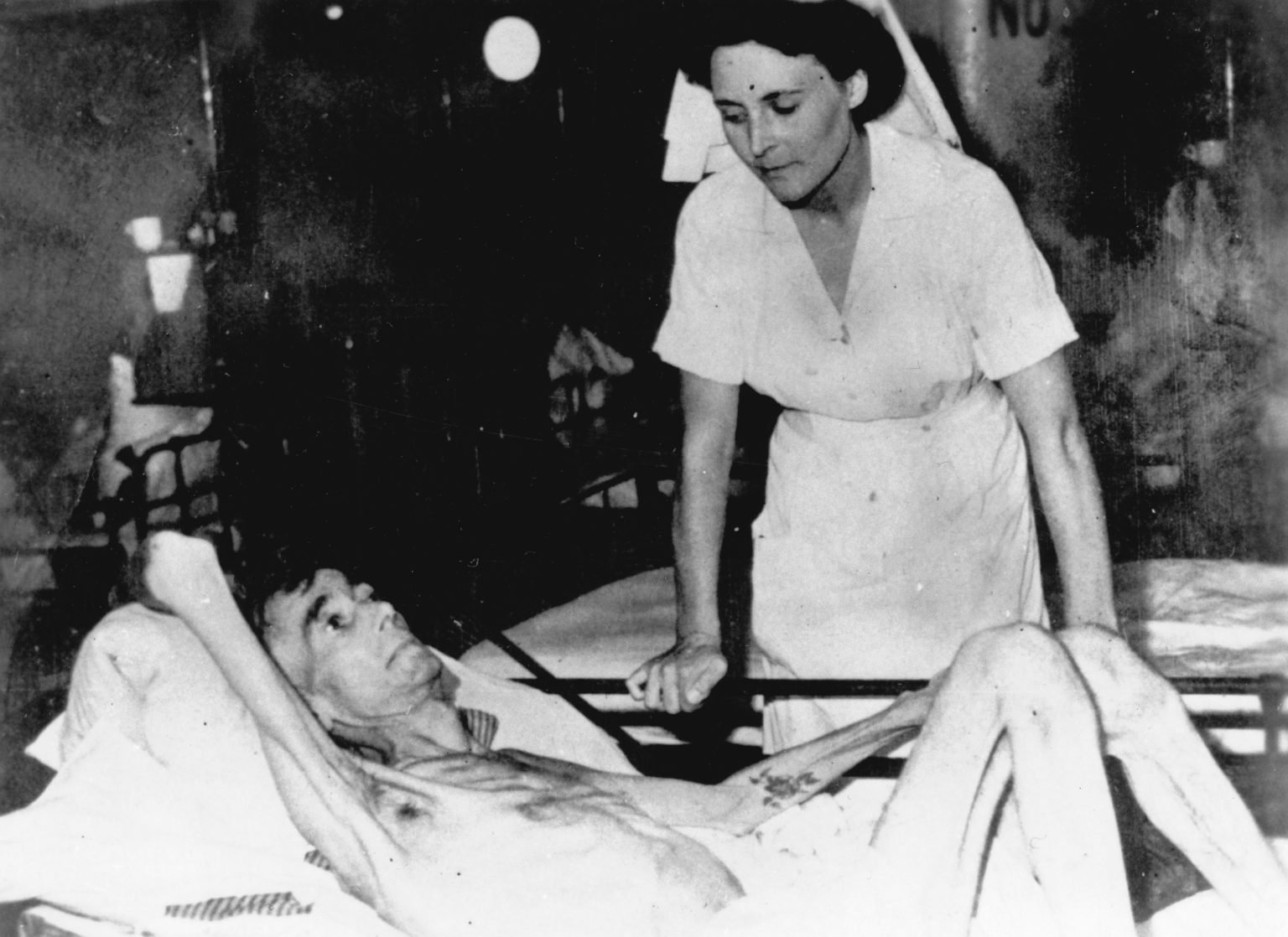
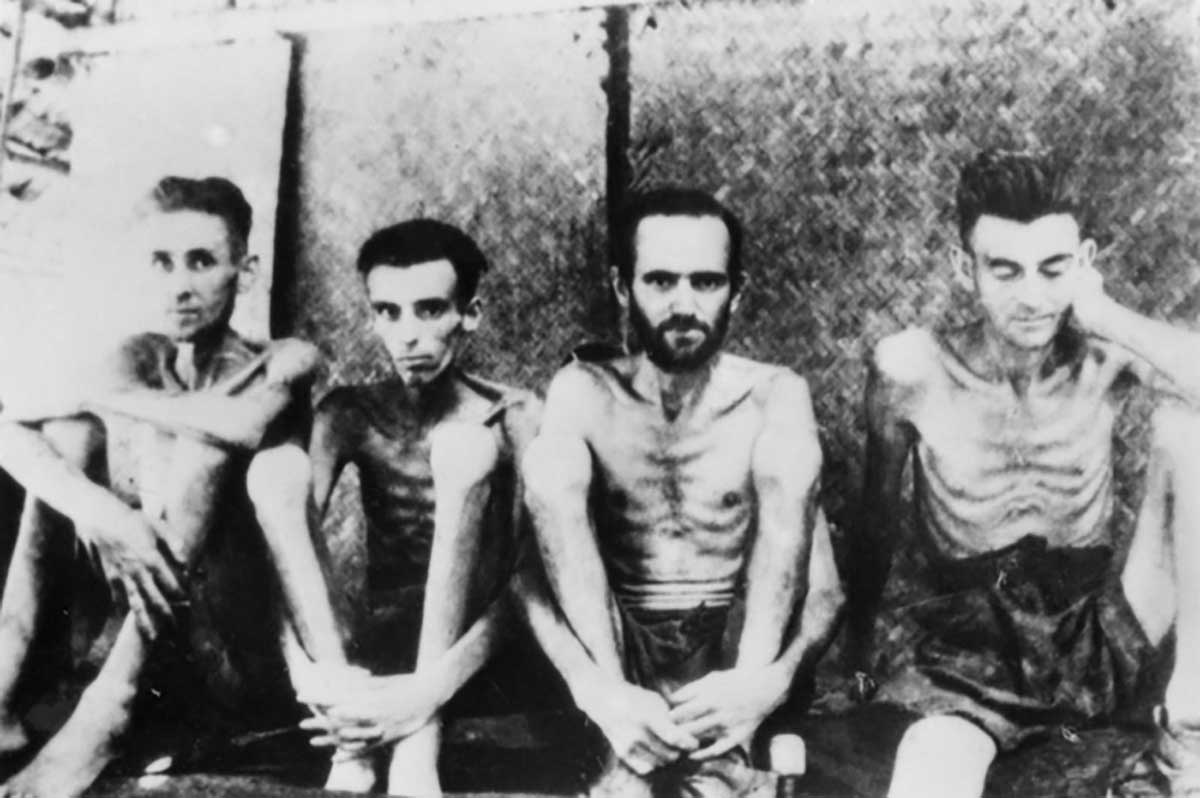
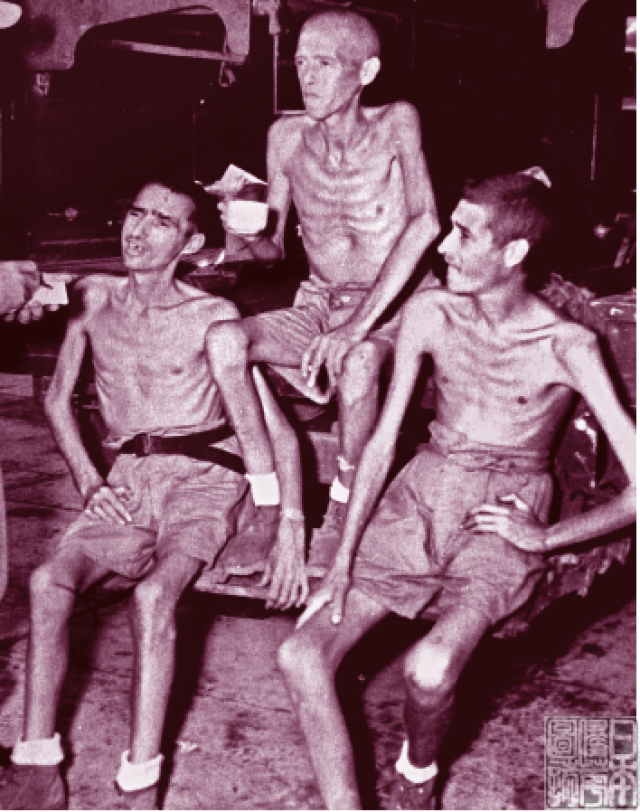
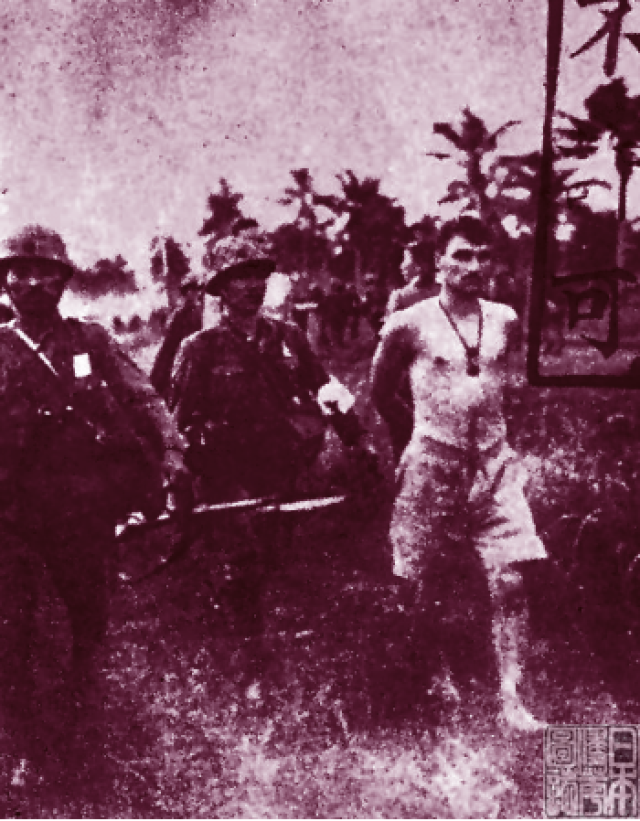
Allied POWs held in Far Eastern camps
According to reports from multiple British media outlets, the death rate in Japanese POW camps in the Far East during World War II was 27%, far higher than the 4% death rate in German POW camps. The vast majority of surviving British prisoners of war refused to forgive Japan until death, because unlike Germany, Japan never engaged in a thorough reflection on its crimes against humanity. In 1957, the British film The Bridge on the River Kwai became a sensation, sweeping five Oscars in 1958—Best Picture, Best Screenplay, Best Cinematography, Best Actor, and Best Music. It was through this film that the infamous “Death Railway,” the Burma–Thailand Railway, became widely known. The Japanese army subjected all Allied POWs and enslaved Asian laborers involved in its construction to extreme exploitation. Out of more than 400,000 laborers, nearly 150,000 died, with a mortality rate close to 40%. Tens of thousands of Allied POWs and hundreds of thousands of Asian forced laborers perished along the railway, with their remains buried beneath nearly every rail and sleeper. This stands as irrefutable evidence of the Japanese army’s crimes against humanity—an undeniable historical truth.
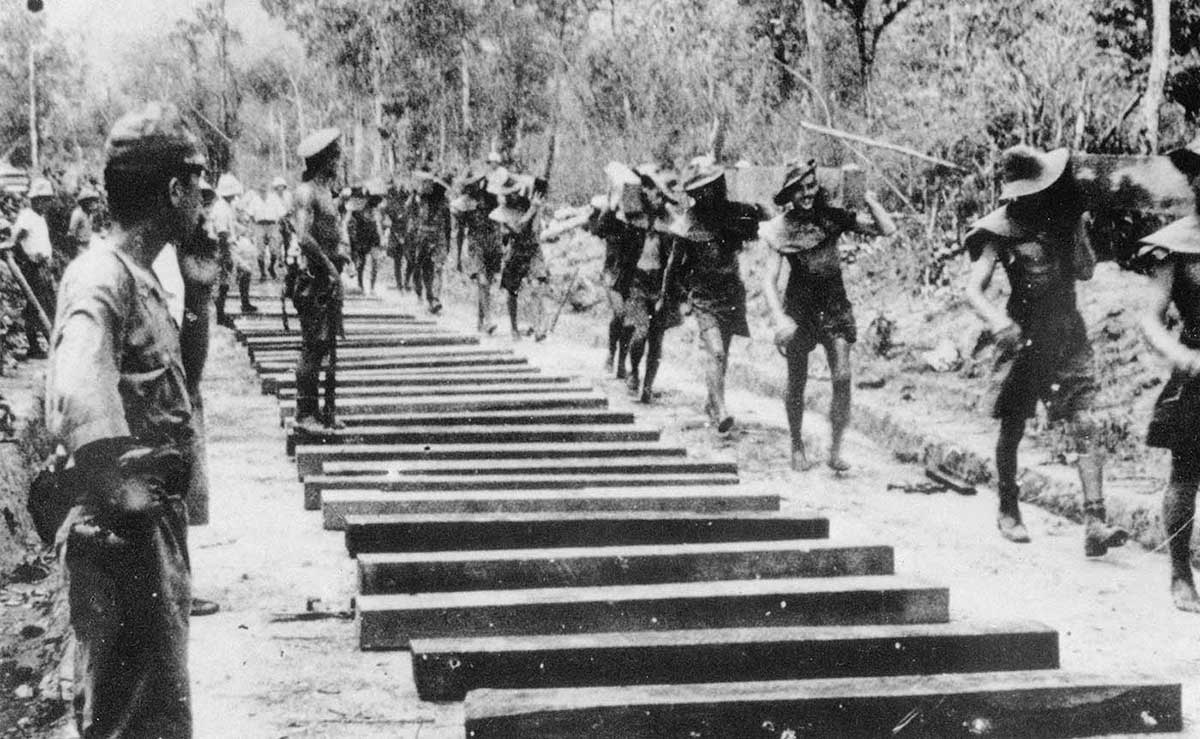
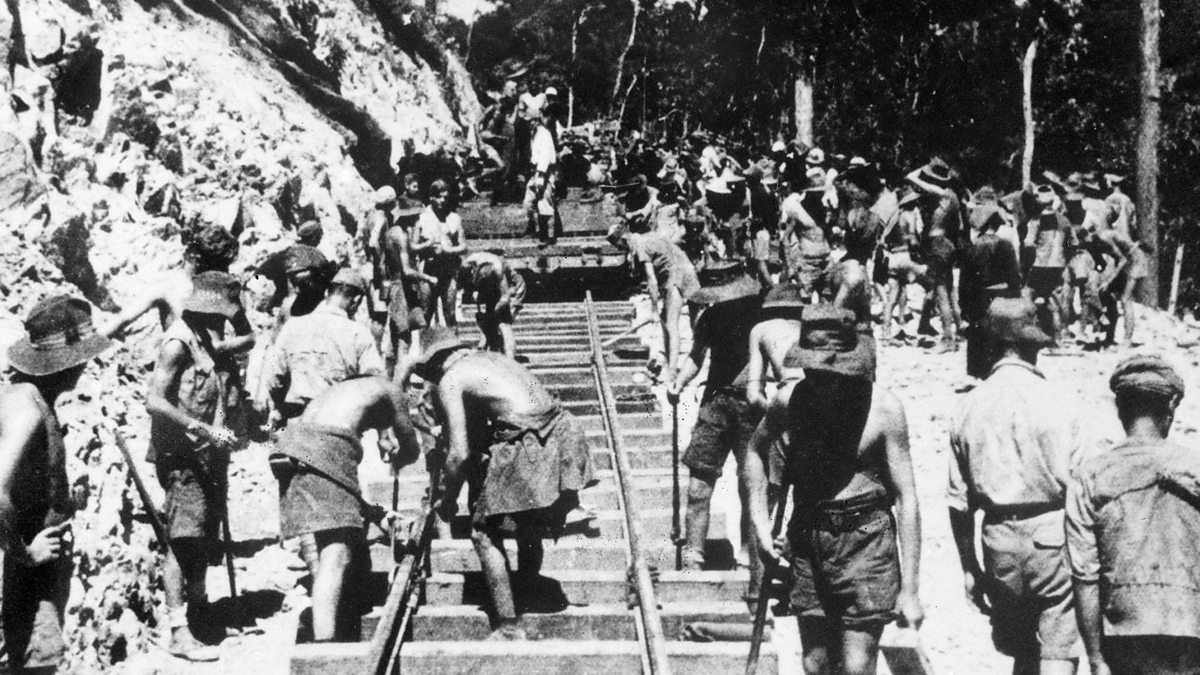
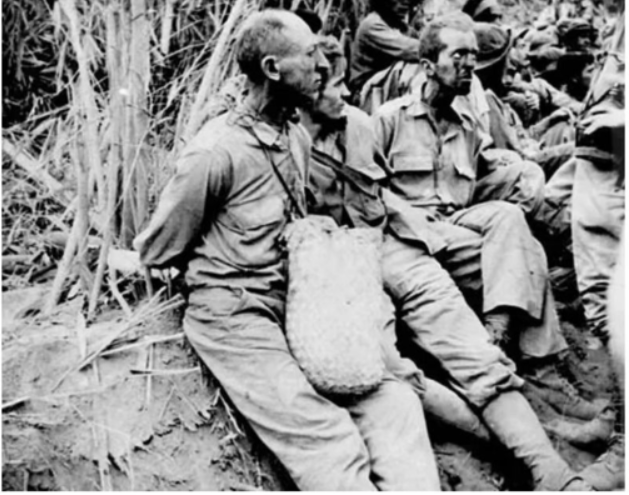
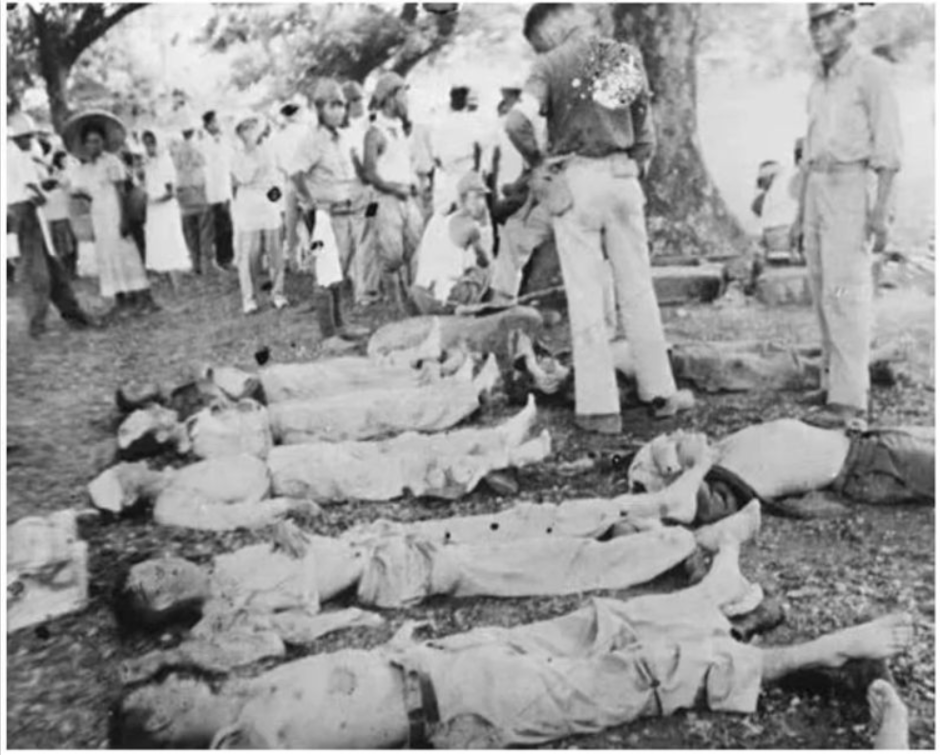
Allied POWs brutally mistreated by the Japanese
Only by facing history can we move toward the future. To cover up or even distort history will only cause the tragedies of human history to repeat themselves—something the martyrs who sacrificed heroically for the victory of the World Anti-Fascist War would never wish to see, and something that peace-loving people around the world cannot accept.
Only by learning from history can we gain inspiration for the future. President Xi Jinping’s proposal to build a community with a shared future for mankind is a profound response to the question of “where humanity is heading,” and it represents China’s solution for building a better world. President Xi has emphasized that to build a community with a shared future for mankind is not to replace one system or civilization with another. Instead, it is about countries with different social systems, ideologies, histories, cultures and levels of development coming together for shared interests, shared rights and shared responsibilities in global affairs, and creating the greatest synergy for building a better world. The vision of a community with a shared future for mankind shines as a truth that illuminates our times. Peace, development, fairness, justice, democracy, and freedom are the common values of all humanity, providing the right guidance for building a better world together, and making the world an even better place.
We pay tribute to the Scottish heroes who made contributions and sacrifices for human progress and for the victory of the Chinese People’s War of Resistance Against Japanese Aggression and the World Anti-Fascist War, and we extend our deepest condolences to the families of Scots who suffered in the Japanese POW camps in the Far East during World War II.
Let us remember history, honor the fallen, cherish peace, and shape the future.